When did the Big Three Begin?
Before discussing the beginnings of the “big three,” we must first define what they are. The big three, as I’ve chosen to call them, are the three largest competing console companies: Sony, Nintendo, and Microsoft. The question here isn’t where the companies began as a whole, but where they entered the gaming market. We’ll define this entrance as being the date of release for each company’s first console. As a sort of walk through history, we’ll discuss them in order of release.
The first company to enter the gaming scene is Nintendo. Nintendo has likely had the most interesting history of the three companies in terms of the consoles they have release. From the Wii, to the Switch, Nintendo has always appeared to innovate the way we play games. Being the first of the big three, this holds true from their roots. Once again, we need to define what we consider to be a console. Drawing from and building on the previous post, we will consider this to be a home console that accepts games in the form of discs/cartridges/etc.
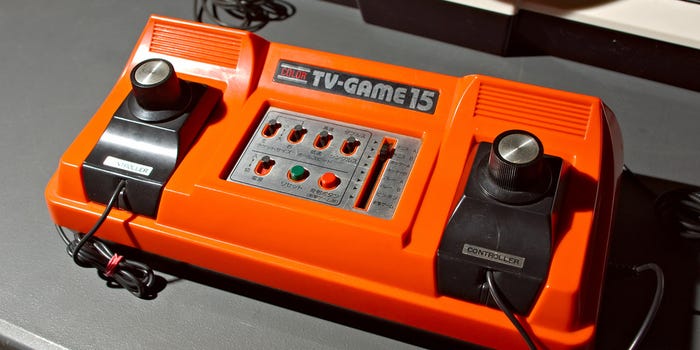
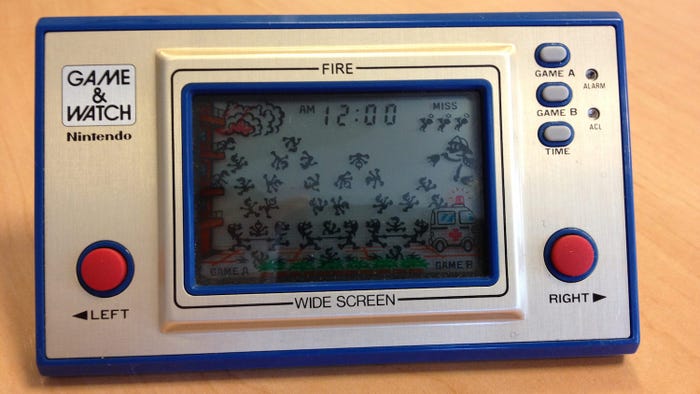
Before the release of what would be considered the first console, we have some honorable mentions coming from Business Insider: The Color TV-Game, which was essentially a game built into a sort of mini-console, releasing initially in 1977 and the Game & Watch, which was similar to the Color TV-Game as it was also a series of single-game “consoles,” but handheld in this case, releasing initially in 1980.
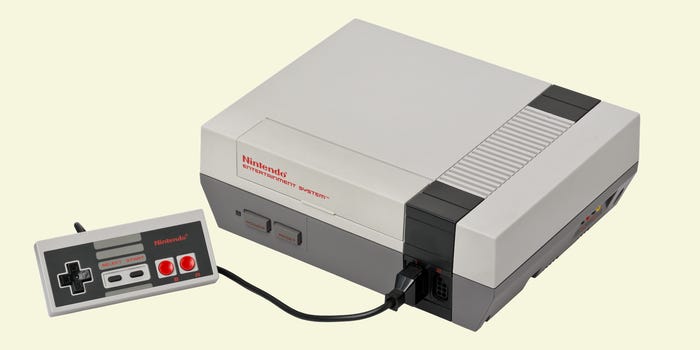
Now, we move on to the official console. The first console (that follows our made-up definition of a console) was the better-remembered Family Computer (Famicom), or the American version, the Nintendo Entertainment System (NES), which released two years later. This set the Famicom to release as the first home console of the big three in 1983 and the American version, the NES to release in 1985. According to VGSales, the NES would release a model that included Super Mario Bros for $199. This would pave the way to success for Nintendo and solidify its spot within the big three for many years.
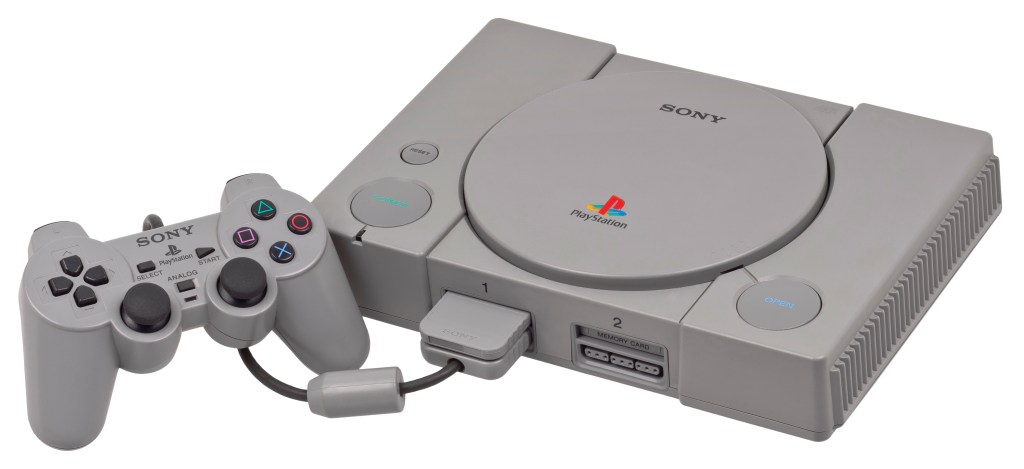
The next of the big three to enter the gaming scene was Sony, with its (comparatively less complicated) release of the PlayStation. Using a fun article from GameSpot, we can learn a lot of the history of PlayStation consoles. For our purpose, though, we only need to know when they began, which was in 1994, when the PlayStation, which many of us call the PlayStation 1 (or PS1) released in Japan and would compete with Nintendo’s Nintendo 64. Once again using VGSales, we find a launch price of $299.
Finally, we are left with only Microsoft left to jump into the scene of console gaming.
“After seeing how Sony’s console business was detracting from PC game sales and fearing that the rival company would own the living room with the PlayStation 2, Microsoft decided to release its own system to compete.”
–GameSpot
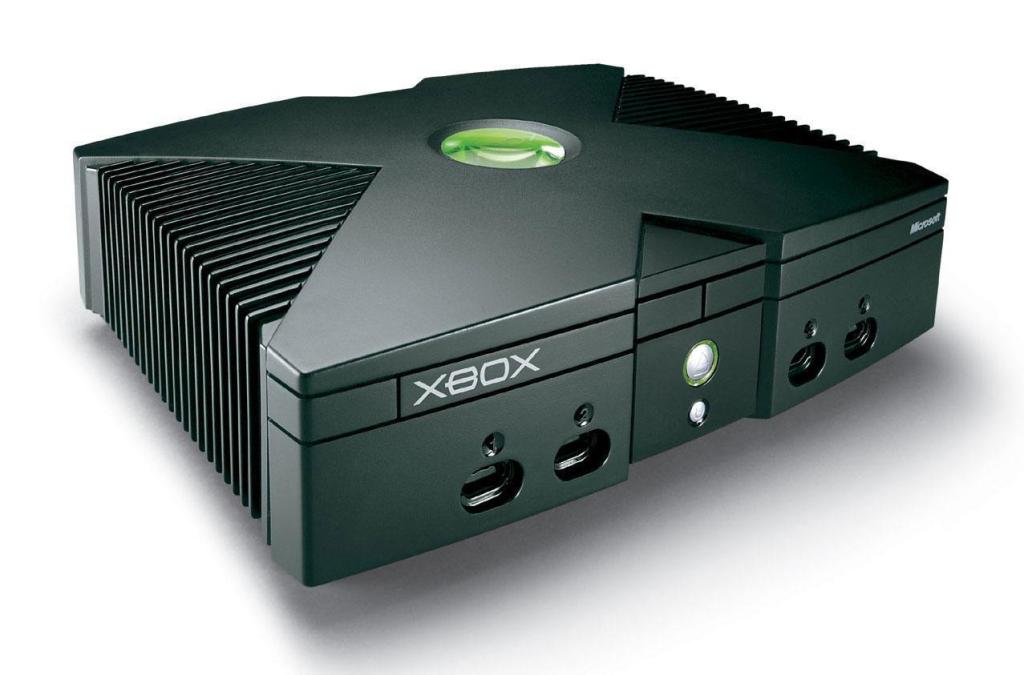
As Gamespot says, this console release came in the form of the original Xbox (naming conventions in this console series are definitely the most complicated). The original Xbox released in 2001, and would compete with Sony’s PlayStation 2 and Nintendo’s GameCube. Referring back to VGSales, the console would cost $299 at release.
In Conclusion, we find that Nintendo has had the longest run in the gaming console race. Sony is next, with Microsoft entering last. Throughout the years, these consoles and companies will grow in very different ways into what we see today.
Fun Facts: The best selling NES game, which shipped with the console, had 40.24 million sales. The best selling PS1 game was Gran Turismo, with 10.85 million sales, likely due to it also having been shipped with the console. Final Fantasy 7 was second best, with 9.8 million sales, without the luxury of being shipped with the console. The best selling Xbox game was Halo 2, with 8.46 million sales, and did not ship with the console.
Logos Image from: Twinfinite
Follow My Blog
Get new content delivered directly to your inbox.
 Work in Progress